How to Start a Gym: A Practical Guide

This guide covers the decisions you need to make before you open a gym, in roughly the order you need to make them: what kind of gym to open, the business plan, funding, location, equipment, licences, software and finding your first members. Where GymMaster can do part of the job, we show where to find it and link to the relevant help guide.

Who This Guide Is For

  • People planning to open their first gym, studio or fitness club
  • Personal trainers and instructors moving from renting space to running their own facility
  • Gym owners opening another site or rethinking how they run their current one

What You'll Get

Launching your first gym

Opening a gym is mostly a planning and cash-flow problem. The equipment and the fit-out are the visible parts, but most of the risk sits in the lease, the start-up budget and how quickly you can sign up paying members.

Work through the steps in this order:

  1. Decide what type of gym you are opening and who it is for.
  2. Research your local market and competitors.
  3. Write a business plan with realistic costs and membership numbers.
  4. Arrange funding.
  5. Find and secure a location.
  6. Register the business and get the licences, permits and insurance you need.
  7. Buy or lease equipment and plan the fit-out.
  8. Set up your membership, billing, booking and door access systems.
  9. Hire and train staff.
  10. Market the gym and sell memberships before you open.

For a short version you can tick off as you go, see our start a gym checklist.

woman lifting weights in a gym

Things You Should Know Before Opening a Gym

Answer these questions before you commit any money. If you can't answer one yet, that is your first piece of work.

  • Who will join? Be specific: shift workers who want 24/7 access, parents who need daytime classes, older adults returning to exercise, competitive lifters. Your location, equipment, hours and prices all follow from this.

  • Who already serves them? List every gym, studio and community facility within a reasonable drive. Visit them, note their prices and hours, see how busy they are at peak times, and read their reviews to find out what members complain about.

  • How many members do you need to break even? For a first estimate, divide your monthly running costs by your average monthly membership fee. Then work out how long it could realistically take to reach that number.

  • How will you cover the gap? Until you reach break-even, you pay the shortfall. Hold enough cash to cover it, plus a margin for delays.

  • Who will run the business side? Being a good trainer helps, but running a gym also means sales, billing, staff rosters, maintenance and complaints. If that isn't you, plan who it will be.

Our article on planning and preparing a new fitness club covers these questions in more detail.

Opening a new gym?

See how GymMaster can help you sell memberships before opening day and run the gym once you open

Guide to Opening a Gym Business

This section covers the three decisions that lock in most of your costs: the business plan, funding and location.

Business Plan for Your Gym

A business plan makes you check that the numbers work before you sign anything, and lenders and investors will ask to see one. Keep it short and specific. It should cover:

  • Summary. What the gym is, who it is for, and why they will choose it over the alternatives.

  • Market. Your target members, the competitors you visited and the gap you are filling.

  • Services. What you will offer (open gym, classes, personal training, recovery, casual visits) and your opening hours.

  • Pricing. Your membership types and prices, and how they compare with local competitors. See gym membership pricing strategies.

  • People. Who will run the gym, which roles you need to hire, and when.

  • Financials. Start-up costs, monthly running costs, a month-by-month membership forecast and your break-even point. Make profit the goal, not member numbers alone.

  • Marketing. How you will find your first members, including pre-sales.

  • Operations. Staffed hours, access outside those hours, cleaning, maintenance, safety procedures, and the software you will use for memberships, billing and bookings.

Financing Your Gym

Common ways to fund a new gym:

  • Your own savings. Lenders often want to see some of your own money in the business.

  • A business loan from a bank or other lender. Ask what security they need and when repayments start.

  • Investors or a business partner, in exchange for a share of the business. Agree in writing who makes which decisions.

  • Equipment finance or leasing, which spreads one of the biggest costs over several years.

  • Membership pre-sales, which bring in money before you open and show lenders there is demand. See opening a gym: membership pre-sales.

  • Friends and family. Treat it as a formal loan or investment, with the terms written down.

Whichever you choose, lenders and investors will judge you on your business plan, so make sure the numbers in it come from real quotes. Your local small business agency may also offer free advice and templates.

Location for Your Gym

Location decides who can reach you, how much rent you pay and whether the building suits a gym at all. Check:

  • Your target members. Put the gym where they live, work or travel past. A gym for office workers suits a site near a business district; one for families or older adults suits a residential area.

  • Competition. Being near other gyms isn't automatically bad, but you need a clear reason for people to choose you.

  • Access and parking. Members visit several times a week, so convenience matters. Check parking at peak times (early morning and after work) as well as when you view the site.

  • Visibility. A site people pass every day does some of your marketing for you. Check what signage the landlord and local council allow.

  • The building. Ceiling height for racks and rigs, floor loading for heavy equipment and dropped weights, noise and vibration for neighbours, ventilation, showers and toilets, and whether the site can legally be used as a gym.

  • The lease. Length, rent reviews, fit-out contributions, rent-free periods and who pays for repairs. Get legal advice before you sign.

Read more in the best locations to open a gym and factors to consider when picking a location.

GymMaster Testimonial

“I’ve had my gym open for 4 months now. GymMaster worked with me non stop prior to opening my doors to ensure a great opening day. Even better, they are always available when I need anything. The support is great!”

Joe Laxton, Joe’s Gym, Iowa USA

Starting a Gym Business

Market Your Gym Before You Open

Start marketing well before opening day, so you open with paying members instead of starting from zero.

  • Brand. Choose a name, logo and look that suit the members you want. A powerlifting gym and a family fitness centre should not look the same.

  • Website. Show your location, hours, prices and classes, and let people join online from their phone. In GymMaster you turn on online sign-up for each membership type under Settings > Membership Types, then share a buy-online link or QR code on your website, ads and posters (Selling Memberships Online).

  • Pre-sales. Offer a founding member rate to people who join before you open. In GymMaster you set an opening date and a billing start date in Settings > Club Details; the billing start date can be earlier than the opening date if you collect pre-sale payments. If opening is delayed, you can move the start date of all pre-sold memberships to the new date, which also pushes back their payments (Club Details).

  • Social media and local groups. Post the fit-out progress, introduce your trainers and answer questions. Join local community pages and noticeboards.

  • Enquiries. Record everyone who shows interest and follow them all up. GymMaster's Prospect Funnel tracks each enquiry and can send emails and create follow-up tasks for staff automatically (How to nurture leads into members).

See also how to market a new gym and getting your first 100 members.

Startup Costs

There is no typical cost to open a gym. A studio in a small leased unit and a club with a pool are different businesses. Your costs depend on:

  • Premises. Bond or deposit, rent during the fit-out, and the fit-out itself: flooring, mirrors, lighting, changing rooms, ventilation and any building work. Rent-free periods and landlord contributions make a real difference.

  • Equipment. New, second-hand or leased, and how much of it you need on day one.

  • Access and security. A gym that only opens when staffed needs less hardware than a 24/7 gym, which needs door controllers, readers and usually cameras.

  • Licences, permits, insurance and professional fees (lawyer, accountant, designer or builder).

  • Software and payments. Gym management software is usually a monthly fee, and your billing provider charges transaction fees. See how much gym management software costs and GymMaster pricing.

  • Staff. Wages for anyone you employ before opening, including training time.

  • Marketing for pre-sales and the launch.

  • Working capital. Cash to cover running costs until membership income catches up.

Get real quotes for each item rather than relying on averages you find online.

Choosing the Right Fitness Equipment

Equipment is one of the biggest start-up costs, so buy for the members you are targeting instead of trying to cover everything.

  • Start from your members. A strength gym needs racks, platforms, bars and plates. A general gym needs a spread of cardio, machines and free weights. A studio may need little more than mats, bikes or reformers.

  • Buy for peak times. If six people want a squat rack at 6pm, one rack won't do.

  • Check the space. Measure ceiling height, floor loading and the clearance each piece needs, and leave clear walkways.

  • Buy for constant use. Commercial equipment costs more than home equipment but is built for heavy use. Check the warranty and how quickly the supplier can service it locally.

  • Consider leasing or second-hand. Leasing spreads the cost, and good second-hand commercial equipment can stretch a small budget. Have second-hand equipment inspected before you buy.

See essential equipment for a new gym and buying gym equipment within your budget.

Gym Management Software

Set up your gym software before you start pre-sales, because that is where members will join and pay. These are the jobs it needs to handle from day one, and where to find them in GymMaster.

Memberships and sign-up

Create each membership you will sell under Settings > Membership Types. GymMaster supports ongoing memberships, fixed-term contracts that renew, fixed-date programmes such as an 8-week challenge, add-ons, pay-per-visit, visit packs, class packs, day passes and trial memberships (Membership Basis). Shared memberships cover families and couples (Family and shared memberships).

Create your terms and conditions, waivers and health questionnaires under Settings > Forms and Waivers and attach them to your membership types. Members complete them during online sign-up, or are asked to on their first visit if they haven't (Membership Forms and Waivers).

Billing

Automated billing needs a billing provider, such as Ezypay, Stripe or Square, connected to GymMaster. Start early: setup typically takes 3 to 5 business days, depending on the provider and your bank (Setting up your billing provider). Providers differ by country, so check which are available where you are. When a payment fails, GymMaster shows the reason returned by the provider, can retry the payment after a set time and can email the member automatically (Understanding failed billing).

Classes and bookings

You create a class once, then schedule it with days, times and instructors (Creating a class). Personal training and other appointments are set up as services. If you run online classes, GymMaster's Zoom integration lets members book and join live-streamed sessions (Running a virtual class).

Member Portal and app

Members can join, book classes and services, update their payment details and request holds in the Member Portal or the GymMaster member app, so fewer of those jobs land on the front desk.

Access control

If members will train outside staffed hours, you need door access control. GymMaster works with key fobs, Bluetooth through the member app, passcodes and QR codes. Access follows each member's membership, so anyone with a failed payment, a hold, or an expired or cancelled membership is refused at the door until it is sorted out (Member access). You set opening hours, peak, off-peak and 24/7 access times with rosters under Settings > Roster & Open Hours (Rosters and open hours). Before deciding, read why 24/7 access control matters, what you need to know for 24/7 and the return on 24/7 access control.

Communication and reports

Under Settings > Templates and Settings > Tasks you can send emails and SMS automatically when something happens, such as a welcome message after sign-up or a reminder before a membership ends (Automating communication). The retention reports under Report and Till > Standard Report > Retention show who has stopped visiting and your busiest times (Reporting on member visits).

GymMaster's club opening checklist lists the settings to finish before you open, including tax rates, your billing provider and your email templates, and new customers can book onboarding training with our team. To compare systems, read how to choose gym management software.

Securing Business Licences and Permits

The rules depend on your country, your state or region and your local council, so treat this section as a list of things to ask about, not a complete list. GymMaster customers run gyms in New Zealand, Australia, the UK, the US, Canada and elsewhere, and the requirements differ in each.

Research local requirements

Start with your local council or city authority before you sign a lease. Ask whether the site can be used as a gym, what consent you need for building work or a change of use, and whether there are conditions on noise, hours or signage.

Register your business

Choose a legal structure (such as sole trader, partnership or company), register it, and register for the taxes that apply to you, such as GST, VAT or sales tax. The structure affects your tax, your personal liability and what lenders will want to see, so talk to an accountant.

Permits and licences to ask about

  • A general business licence, which some cities and counties require.

  • Building or planning consent for construction, alterations or a change of use.

  • Fire safety approval and an evacuation plan for premises open to the public.

  • Consent for outdoor signs.

  • Registration or qualifications for anyone providing services such as massage, physiotherapy or nutrition advice.

  • Food, retail or alcohol licences if you will run a café or sell those products.

Insurance

Talk to an insurance broker who works with gyms. Common types of cover are public liability, professional indemnity for trainers, property and contents, business interruption, and employer's liability or workers' compensation where it is required. Check whether contractor trainers need their own cover.

Follow-up and renewals

Keep a list of every licence, permit and insurance policy with its renewal date. Consents can take weeks or months, so start early, and get legal advice if anything is unclear. Your health and safety duties continue after you open: equipment checks, incident records and first aid.

Help Before Opening Day and After

Our support team is a phone call away.

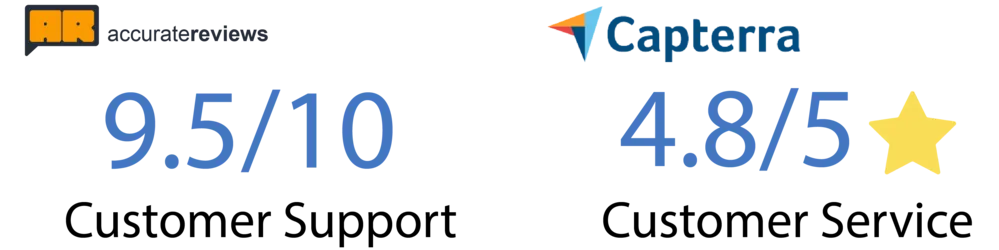
GymMaster top rated customer service & support

“I wanted a key fob system that was inexpensive but that also had some of the features of "bigger" players. I found GymMaster and was thrilled that their upfront costs were so much less expensive.

Most importantly, their customer service is extraordinary. I have been an international consultant in the health and fitness industry for 30+ years and I would highly recommend them to anyone. Literally, I am a customer.”

Casey, Gym President and Owner.

Gym Membership Management

Most of your income comes through memberships, so the way you sell, bill and manage them matters.

Use one membership system

Sign-ups, renewals, cancellations, holds, billing and attendance should all live in one place. Choose a system that automates routine work (see why gym automation is the key to scaling) and can get your financial data to your accountant without retyping it.

Offer a range of membership options

  • Single, couple and family memberships. In GymMaster these are shared memberships with a limit and a price for each extra person.

  • Off-peak memberships with access only at quieter times, set with a door roster.

  • Corporate memberships for local employers. In New Zealand and Australia you can also take part in the Fitness Passport corporate programme, which connects to GymMaster.

  • Casual options, such as day passes, visit packs and class packs, for visitors and people who aren't ready to commit.

  • Trial memberships that end automatically, for people who want to try before they join.

Onboard new members properly

New members need help to build a routine. A good onboarding process includes:

  • A tour, and an introduction to staff and trainers.

  • A session on using the equipment safely, or a programme to follow.

  • How to book classes and use the app.

  • A conversation about their goals, and a check-in a few weeks later to see how they are going.

See new member onboarding best practices.

Engage and retain members

  • Contact members who stop visiting before they cancel. GymMaster's retention reports show who hasn't been in recently.

  • Ask for feedback regularly and act on it.

  • Run social events and challenges and competitions that get members talking to each other.

  • Reward referrals. In GymMaster you set up a referral offer under Financial Configuration > Referrals. A reward delay means the referrer is only rewarded if the new member stays past the delay (Referrals).

Give members self-service

Let members book, pay and manage their membership from their phone. With the GymMaster member app and Member Portal they can book classes, update payment details, request holds and get in the door. Guest passes let members bring a friend, with limits, fees and a guest waiver if you want one (Guest passes).

Effective financial management

Bill accurately and on time, follow up failed payments quickly, and put fees, price increases, hold rules and cancellation terms in writing before people join. When a member needs a break, GymMaster's hold options let you choose whether the hold is free, has a fee or continues normal billing (Placing a membership on hold).

Measure and adapt

Track a few numbers every month: new members, cancellations, net change, visits per member and failed payments. Use them to decide what to change. See gym KPIs every owner should track.

Effective Marketing Strategies for a Gym

After the launch, marketing has two jobs: bring in new members and keep the ones you have.

Define your Unique Selling Proposition (USP)

Your USP is the reason someone picks your gym over the others nearby. Make it concrete, for example "24/7 access with free parking" or "small-group strength training with a coach at every session". Use it in every ad and on your website.

Optimise your website

  • Show prices, hours, location and the timetable without making people ask.

  • Put a clear "Join online" or "Book a trial" button on every page.

  • Use real photos of your gym, staff and members, plus trainer profiles and reviews.

  • Write pages that match what people search for, such as "gym in [your suburb]", and keep your Google Business Profile up to date.

Read getting online sign-ups from your gym website.

Use social media

  • Post workout tips, member stories and behind-the-scenes content.

  • Run fitness challenges that members want to share.

  • Reply to comments and messages quickly.

See social media marketing for gyms.

Run a referral programme

Give both the member and their friend something worth having, such as a free month or account credit. GymMaster members can send a referral from the app or the Member Portal.

Offer free trials or classes

A free class, day pass or short trial gets people through the door. Follow up every trial within a day or two. With GymMaster, people can buy a day pass online through a link or a QR code at your door and get in using the member app, even when no staff are on site (Day passes and contactless sign-up).

Host events and workshops

Open days, nutrition talks, charity workouts and beginner workshops give people a low-pressure reason to visit. Partner with local businesses, physiotherapists and sports clubs to reach their customers, and consider sponsoring a local team. See partnership marketing for gyms.

Use targeted advertising

Paid ads on Google, Facebook and Instagram can work if you target people near the gym and send them to a page where they can join or book a trial. Measure which ads lead to sign-ups rather than clicks, and stop the ones that don't. GymMaster can send sign-up and enquiry events from your Member Portal to Google Analytics (Tracking sign-ups with Google Analytics).

Good service is still your best marketing. Members who like your gym tell their friends. For more ideas, read gym advertising strategies that bring in new members.

Turn more enquiries into members

See how GymMaster's marketing tools help you follow up leads and win back members who stop visiting

Types of Gyms and Fitness Centres

Decide on the type of gym early, because it drives your space, equipment, staffing and pricing. The main types are:

Traditional gyms

An open gym floor with cardio, machines and free weights, often with some group classes. Needs a large floor area and a lot of equipment. Some run 24/7 with door access control so members can train outside staffed hours.

Boutique fitness studios

One type of training, such as yoga, Pilates, indoor cycling, boxing or HIIT, in small classes. Needs less space, and income comes from class packs and casual visits as well as memberships.

CrossFit boxes

Coached classes with barbells, kettlebells, rowers and open floor space. See CrossFit gym software.

Specialty gyms

Gyms for one activity or group, such as strength and powerlifting, martial arts, climbing, women only or older adults. A clear niche makes marketing easier but limits the size of your market.

Health clubs

Larger facilities with a gym, classes and extras such as pools, saunas, courts or a café. They have the highest start-up and running costs and need more staff.

Medical fitness centres

Supervised exercise for people with health conditions or recovering from injury, often alongside physiotherapy. Expect more requirements around staff qualifications, referrals and record keeping.

Choosing the Right Type of Gym for Your Business

Compare each option against these points:

  • Market. What is missing locally, based on your competitor research.

  • Your skills and interests. You will be running it for years.

  • Budget. A studio in a small unit needs far less money than a full health club.

  • Space. What the buildings you can afford will physically fit.

  • Staffing. Class-based gyms need an instructor for every session; a 24/7 gym with access control needs fewer staffed hours.

  • Pricing. What your target members will pay, and whether income comes from memberships, class packs, personal training or a mix.

  • Culture. The atmosphere you want, from quiet and premium to loud and competitive.

Setting Up a Fitness Studio

Develop a pricing model

Studios often mix unlimited memberships, class packs and casual drop-ins, with an introductory offer for new clients. In GymMaster a class pack is its own type of membership: members buy a set number of classes and use them as they book.

Set up booking and payments

Clients will expect to book and pay online, so set up your classes, instructors and booking rules before you open. If you have spare spots, GymMaster's ClassPass integration can fill them, with bookings going straight into your schedule (ClassPass bookings). See also Pilates studio software and cycling studio software.

Alternative Business Models

A monthly membership isn't the only option, and you can combine several of these:

Pay-per-session

Members pay each time they visit, or buy a pack of visits, instead of committing to a membership. This suits casual users and visitors from out of town. GymMaster supports charge-per-visit, visit packs and class packs.

On-demand and virtual fitness

Live-streamed or recorded classes can add value to a membership or serve members who can't always get in. GymMaster's Zoom integration handles bookings for live-streamed classes.

Buying a franchise

A franchise gives you an established brand and system in exchange for fees and less control. Have a lawyer who knows franchising review the agreement before you sign, and talk to existing franchisees about their real costs and results.

Benefits of buying a gym franchise

  • Brand recognition, which can make early sign-ups easier.

  • A tested business model, including fit-out, pricing and operating procedures.

  • Training and support from the franchisor.

  • National or regional marketing.

  • Group buying for equipment and supplies.

Potential pitfalls

  • Costs. An upfront franchise fee, plus ongoing royalties and marketing levies, which are often based on revenue.

  • Less control. You follow the franchisor's rules on branding, pricing, suppliers and often software.

  • Shared reputation. Problems elsewhere in the network can affect your gym.

  • Exit terms. Check what happens when the agreement ends, including any restrictions on running a gym afterwards. If you decide to leave a franchise later, see leaving a gym franchise.

Keeping Up with Fitness Trends

Not every trend suits your gym. Add something new when members ask for it or when it fits the gym you are building, and trial it before you commit.

Technology members use

  • A member app for booking, payments and door access.

  • Connections to fitness platforms and equipment. GymMaster connects with services such as eGym, mywellness and FitMetrix (integrations).

  • Live-streamed or on-demand classes for members who can't always get in.

Personalisation and specialised programmes

  • Offer personal training and coaching for members who want a plan built around them.

  • Add classes for specific groups, such as strength training for older adults or pre- and post-natal classes.

GYMMASTER TROPHY CASE

Recent Awards

gymmaster awards

capterrra award   get app - best functionality and features 2022   software advice - most recommend 2022  software advice - front runners 2023   get app  - category leaders 2023

Understanding and Measuring Gym Operational Costs

Know your monthly running costs so you can set prices and spot problems early. Track them by category every month.

Keep Improving After You Open

The gym you open will change as you learn what your members want. A few habits help:

  • Know your members. Use your sign-up and visit data, and ask members directly through surveys and conversations.

  • Watch competitors. Note new gyms, price changes and new classes nearby.

  • Keep the basics right. Clean, working equipment and friendly staff come before any new trend.

  • Make the gym accessible. Check that the building, equipment and classes work for people of different ages, abilities and fitness levels, and that you meet the accessibility laws where you are. See inclusive gym marketing and accessibility.

  • Cut energy use where you can, with efficient lighting, heating and cooling.

  • Act on feedback, and tell members what you changed.

Your Gym Opening Checklist

Here is the order to work in:

  1. Choose your gym type and target members, and research local competitors.
  2. Write a business plan with real quotes for start-up costs, monthly running costs and a membership forecast.
  3. Arrange funding, including a cash reserve for the months before you break even.
  4. Find a location, check with your local council that it can be used as a gym, and get legal advice on the lease.
  5. Register the business, and arrange licences, permits and insurance.
  6. Plan the fit-out and buy or lease equipment.
  7. Set up your gym software: memberships, forms and waivers, billing provider, classes, door access and communication templates. Start the billing provider setup early.
  8. Hire and train staff.
  9. Start marketing and pre-sales before you open, and follow up every enquiry.
  10. Hold an open day or launch event, then track sign-ups, cancellations and visits from the first week.

To see how GymMaster would work for your new gym, book a demo.

See why real gym owners
trust GymMaster to run their business

“I really appreciate the professionalism of GymMaster. It is obvious that you guys have been in the business for a long time and know what you are talking about. I also really like how quickly the hardware was shipped to us in Canada. It was shipped on Tuesday and on Friday morning we received it.”

Magali Dantier | Fitness Expert | BC, Canada

“Our favorite thing is how easy it is to communicate with the GymMaster staff and how quickly problems are resolved!”

Taylor Johnson | Man O' War CrossFit | Kentucky, USA

“GymMaster is by far the most comprehensive software I have been able to find. From billing all the way to the locks, it’s all streamlined. Also, customer support is second to none. I have never called in a tight spot and not had immediate help.”

Zak Huffman | Warrior Fitness Facility | Ohio, USA

“Where do I start? The support from the staff is fantastic whenever an issue arises. The system and software is so easy to use and it makes sign ups and managing members a breeze. Finally the pricing structure is far fairer than competitors. So glad I went with GymMaster.”

Matthew Sprigg | Flex Fitness Club | Australia

“GymMaster has been the most user friendly software I have ever used! The layout and style is attractive, the customer support outstanding and I have never had any issue with the hardware. Would highly recommend GymMaster to anyone looking to upgrade!”

Rachel Scott | Four Peak Fitness | Geraldine, New Zealand

“We have been in business for 10 years now and with your gym software system we just installed in November we will be able to compete with the bigger franchises that are all open 24/7. Plus we can reduce the cost of staffing as that is one of our huge costs as the facility had to have a attendant at all hours.”

Jordan | Sets Fitness | Saskatchewan, Canada

Best Customer
Support

5-star

software advice logo

Best Value
for Money

5-star

capterra logo

Top Gym
Software

5-star

Best value

Best Ease
of Use

5-star

capterra logo

Best Functionality
& Features

5-star

get app logo